 appuza

About this game
Slay the Spire: a smaller, coherent deck can beat a bigger collection
Every addition changes what you are likely to draw
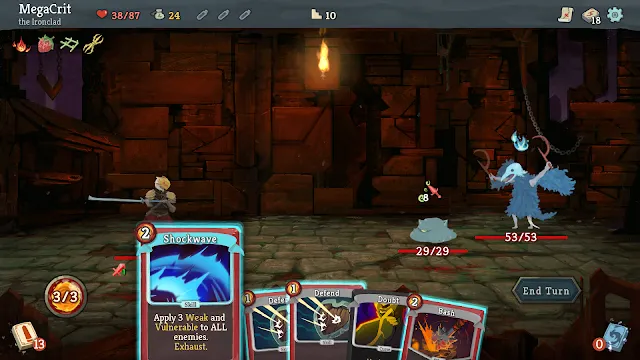
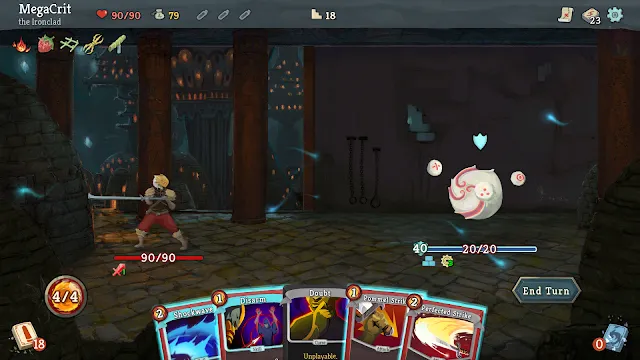
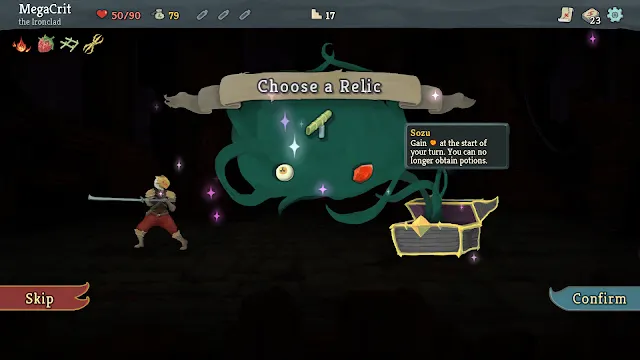
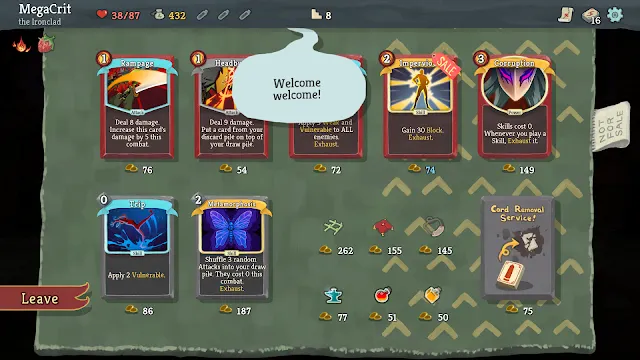
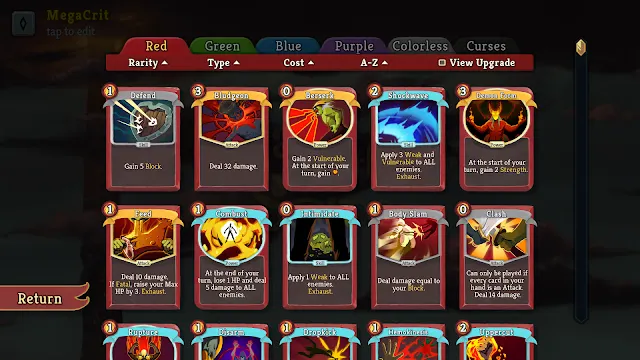
Slay the Spire combines card battles with a changing route through encounters and rewards. Its official description emphasizes choosing cards that work together and relics that alter the deck’s possibilities. The central decision is not simply whether a card looks powerful in isolation. Adding it changes the mixture you will draw later, so a useful effect can still dilute a plan if it solves a problem the deck does not have. This makes restraint and coherent combinations as interesting as collecting new options.
Read the immediate threat before planning a spectacular turn
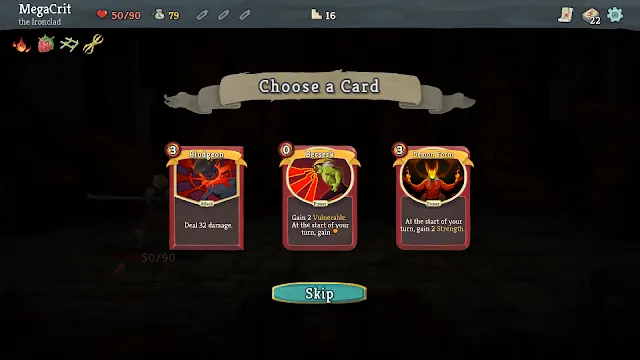
For a first run, focus on understanding the current encounter and the cost of each action. Compare the benefit of attacking with the value of preserving enough health to reach the next useful stop. When offered a card, ask what role it fills: damage, protection, consistency, or support for an existing interaction. A clear explanation for a choice is more valuable than copying an unfamiliar advanced strategy. The changing route also deserves attention, because taking every difficult encounter can exhaust a deck that is not yet ready for it.
Strategic variety comes with repeated uncertainty
The game’s replay value comes from changing layouts, cards, enemies, and relic combinations rather than a permanent collection that guarantees victory. That makes it suitable for players who like analyzing why a plan worked and adjusting the next attempt. It may be less satisfying if you mainly want a story that advances regardless of performance. On a phone, check whether card text and selection feel comfortable on your screen. The game’s thoughtful pace reduces the need for reflexes, but it does not remove the need to read the board carefully before committing to an action.
Evaluate a card against the deck you have
A card that looks powerful in isolation can make a small deck less reliable. When considering a reward, ask what problem it solves now: damage, defense, resource use or a combination already supported by the deck. Relics can change that answer, so a card ranking copied from another run is not enough. The publisher describes changing routes and encounters, which makes adaptation central to the appeal. A useful learning record is one sentence about why a run failed, rather than a screenshot of the largest damage number.
A self-contained deckbuilder differs from a collection game
The listed Android edition is a paid single-player purchase without listed in-app purchases. Its deck is assembled during attempts, rather than chosen solely from a growing purchased collection. Compare that structure with Hearthstone or Marvel Snap before deciding what kind of card game you want. Slay the Spire suits someone interested in repeated tactical experiments against the game. It is a less direct fit for someone whose main goal is competing with friends or collecting the newest cards in an ongoing online service.
Editor’s assessment
Choose it for deliberate tactical decisions and deck consistency rather than reflex-based combat.
Other approaches to consider
Mini Metro, Dead Cells. Read the mechanics and trade-offs before deciding which approach suits your routine.
Compare the store labels
Google Play, US / English snapshots. “Not indicated” means the label was absent, not a guarantee that a feature or charge can never appear. Prices and availability can change. Scroll across to compare all columns.
| Listing detail | Slay the Spire | Mini Metro | Dead Cells |
|---|---|---|---|
| Upfront price | 9.99 USD | 0.99 USD | 8.49 USD |
| In-app purchases | Not indicated | Not indicated | Listed |
| Advertising label | Not indicated | Not indicated | Not indicated |
| Android requirement | 5.1 | Check store compatibility | 7.0 |
| Source checked | 2026-10-24 | 2026-10-24 | 2026-10-24 |
Sources & scope
- Google Play listing: Slay the Spire — features, store statistics and publisher screenshots, checked 2026-10-24.
- Official product information
- Apple listing metadata — iOS version and package size.
Our recommendations are editorial interpretations of documented features. We have not benchmarked the app on a device. Prices and availability can change by account and country. Review method · Send a correction